A Manufacturer’s Perspective for the South American Market
Over the past decade, the global apparel industry has undergone a significant transformation. Traditional fashion cycles are slowing down, while activewear, sportswear, yoga wear, and fitness apparel are becoming essential categories worldwide. This shift is driven by one powerful trend: the rise of mass fitness and active lifestyles across all age groups.
From a manufacturing perspective, this change is not temporary. It represents a long-term evolution in how people dress, move, and live.
1. Mass Fitness Is Reshaping Global Apparel Demand
Across South America and other emerging markets, sports and fitness are no longer limited to professional athletes or gym enthusiasts. Activities such as yoga, functional training, running, and home workouts are becoming part of everyday life.
Key drivers behind this trend include:
Growing awareness of physical and mental health
Expansion of fitness communities and social sports culture
Influence of social media and digital fitness content
Increasing participation of women in sports and wellness activities
As a result, demand for comfortable, functional, and affordable fitness apparel continues to grow steadily, especially in developing markets.
2. Activewear Is No Longer Just Sportswear
In today’s global market, activewear is redefining what “clothing” means. Consumers expect sportswear to perform well during workouts while remaining stylish and comfortable enough for daily wear.
This has accelerated the global adoption of athleisure, where yoga wear and fitness apparel are worn for:
For brands and importers, this means product development must focus on multi-scenario wearability, not just sports performance.
3. Fabric and Performance Are the Core of Competitive Activewear
From a factory and supply chain standpoint, fabric selection and technical performance are the foundation of high-quality sportswear manufacturing.
The most in-demand features in modern activewear include:
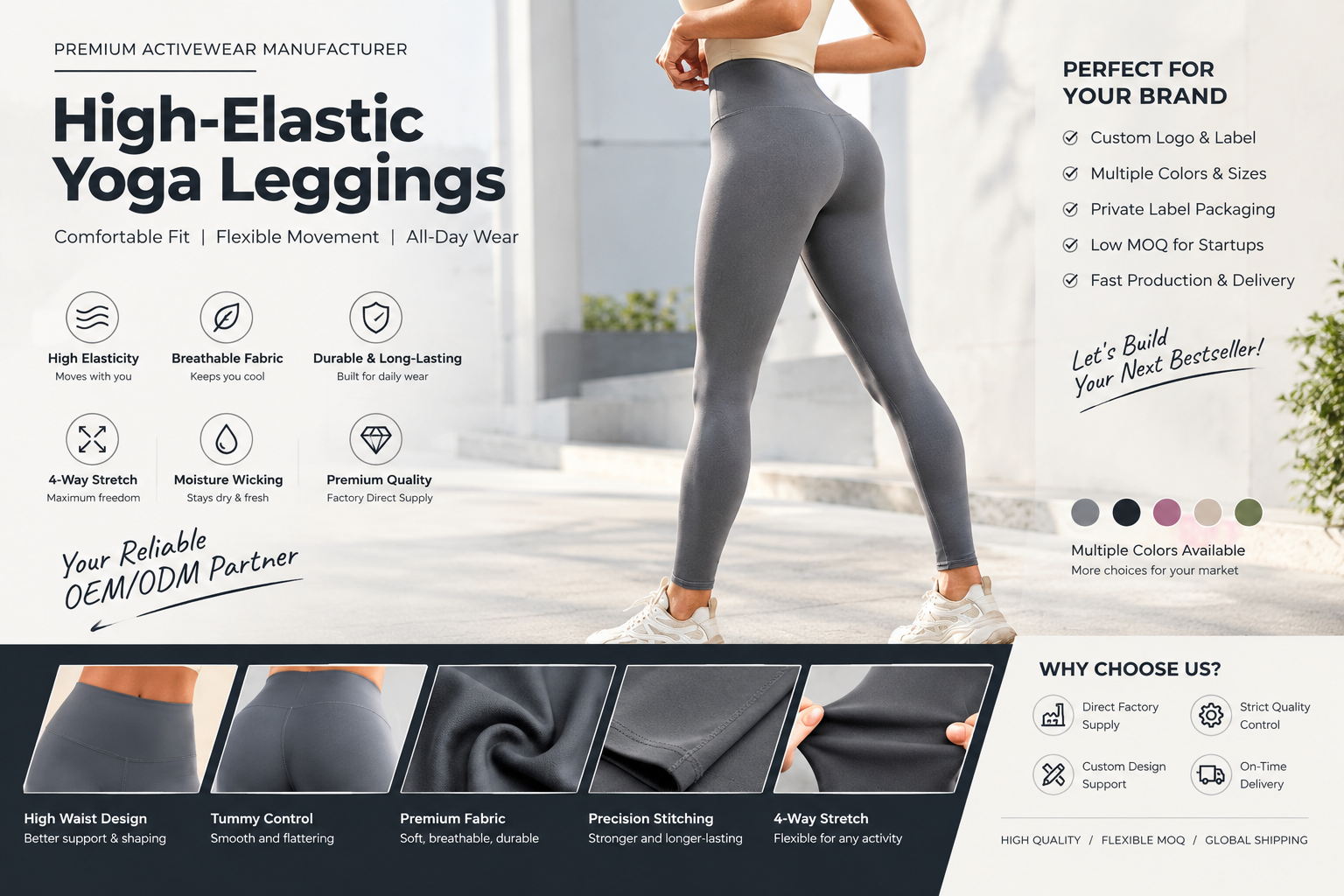
High stretch and recovery (polyester or nylon blended with spandex)
Breathability and moisture-wicking performance
Lightweight yet durable fabric construction
Shape retention and long-term wear resistance
In South America, where climate conditions vary widely, breathable and quick-dry fitness apparel is especially important. Buyers increasingly prioritize consistent quality, stable fabric sourcing, and reliable production standards over short-term price advantages.
4. South America: A Fast-Growing Activewear Market
South America is becoming one of the most promising regions for activewear and sportswear growth.
From our experience as a manufacturing factory, this market shows clear characteristics:
A young and active consumer population
Rapid growth of local fitness brands and online retailers
Strong demand for cost-effective but durable yoga wear and sportswear
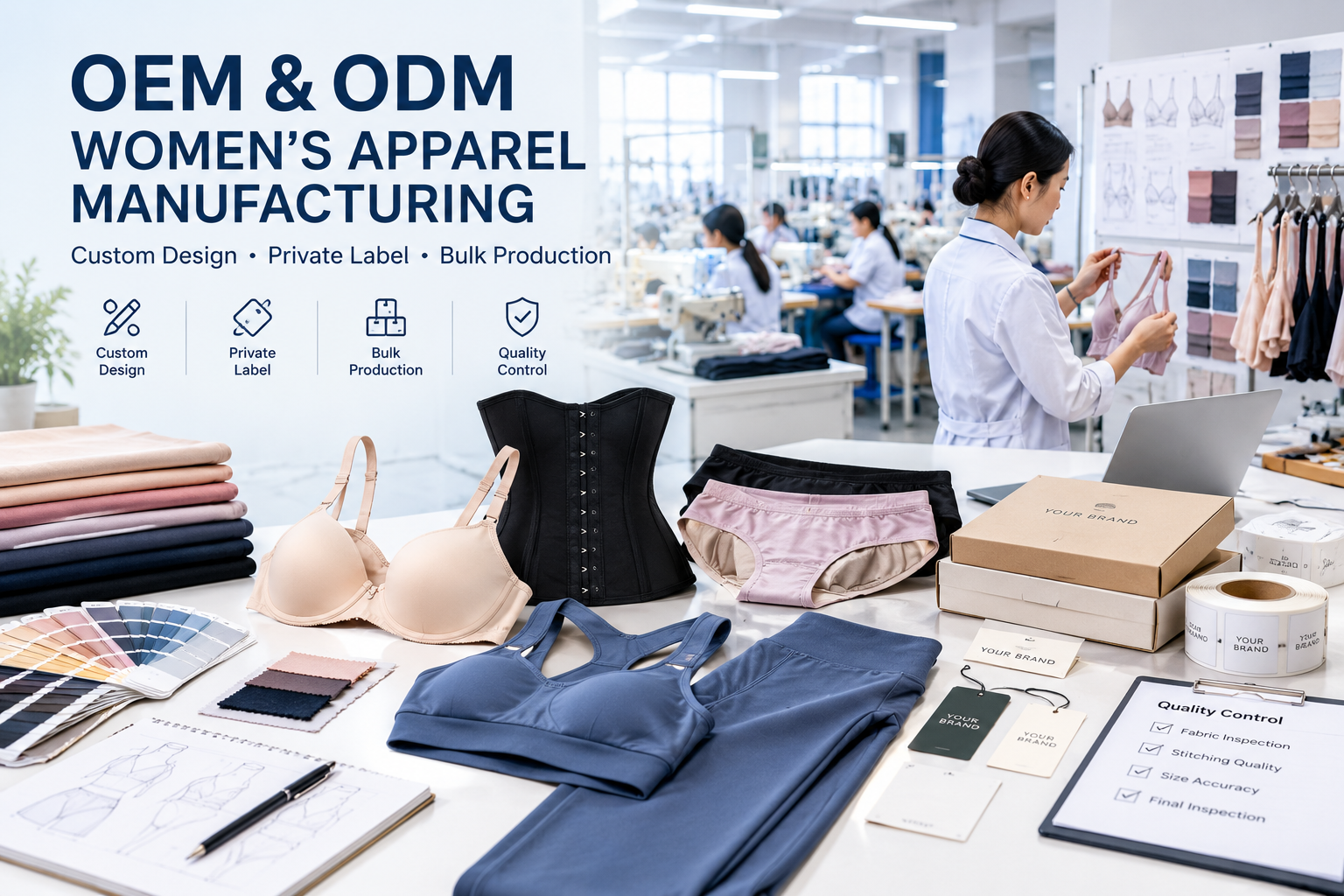
Increasing interest in private label, OEM, and ODM manufacturing
For South American brands, flexible MOQs, stable lead times, and long-term supplier partnerships are more valuable than one-time sourcing deals.
5. A Factory View on the Future of Fitness Apparel
As a professional activewear manufacturer, we see the future of the industry moving in a clear direction:
Smaller batch production with faster response times
Stronger focus on fabric innovation and functional design
Long-term cooperation instead of short-term trading
Manufacturing partners that understand brand positioning and market needs
The era of mass fitness is not a passing trend. It represents a fundamental lifestyle change that will continue to drive the global demand for sportswear, yoga wear, and fitness apparel for years to come.
Conclusion: Manufacturing for a More Active World
The global apparel industry is shifting from fashion-driven consumption to function-driven living. In this transformation, activewear plays a critical role by connecting health, comfort, and modern lifestyle needs.
For South American brands and distributors, working with experienced fitness apparel manufacturers ensures product quality, stable supply, and long-term market success in a rapidly growing industry.