Introduction: The Postpartum Market Is Underserved — and Period Panties Are the Answer
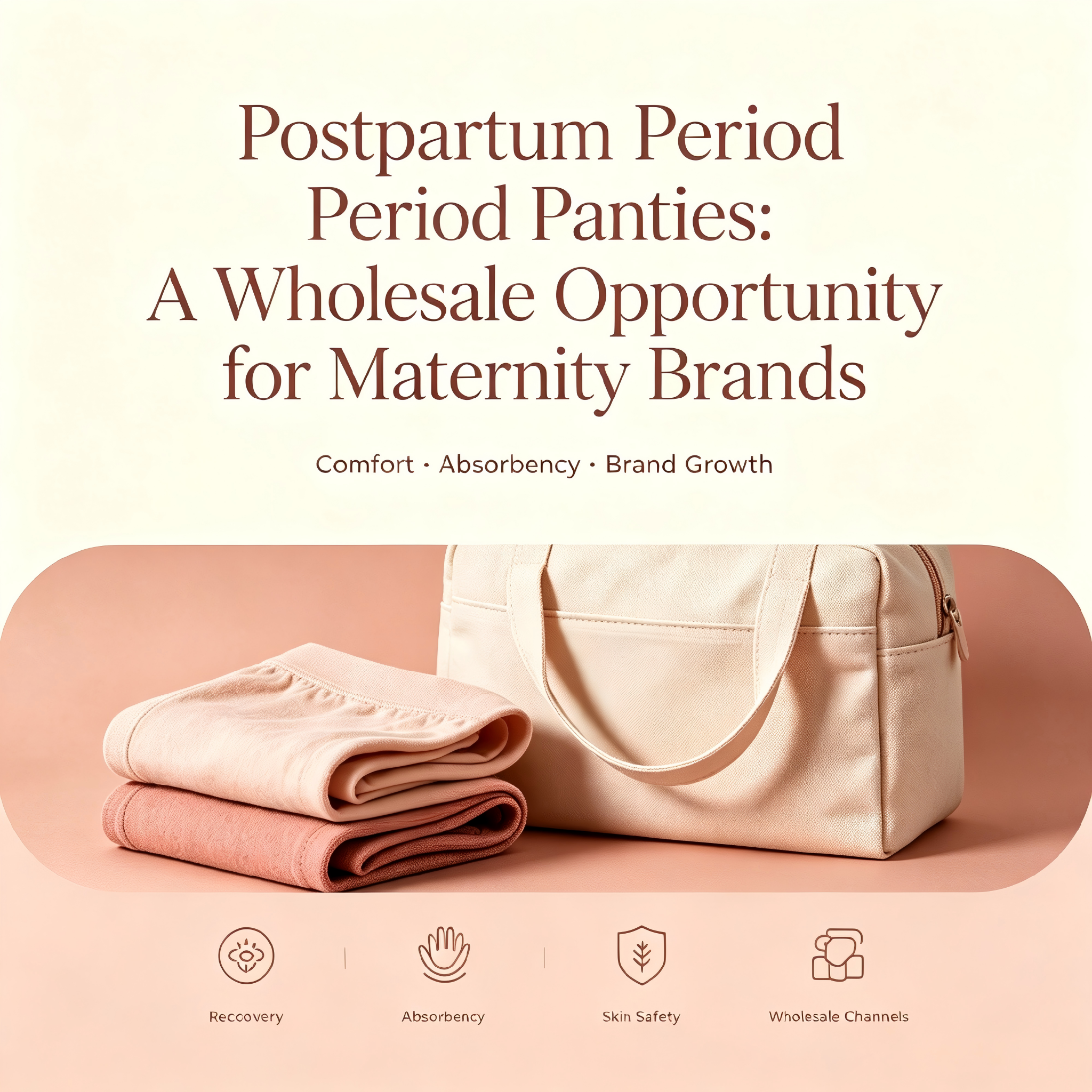
Period panties for postpartum recovery represent one of the most significant and consistently underserved opportunities in the period underwear market. Every year, hundreds of millions of women worldwide give birth — and virtually every one of them experiences weeks of heavy postpartum bleeding, known as lochia, that requires reliable, comfortable protection during one of the most physically and emotionally demanding periods of their lives.
For wholesale brands, retailers, and maternity product specialists, this is a compelling commercial opportunity. The postpartum consumer has specific, urgent needs — and the product that best meets those needs is the same high-absorbency, high-waist period panty that brands already manufacture for heavy menstrual flow. Understanding the postpartum market, and how to position and develop period panties for postpartum recovery, is the focus of this guide.
Understanding the Postpartum Consumer and Her Needs
What Is Lochia and Why Does It Require Specialist Protection?
Lochia is the vaginal discharge that occurs after childbirth as the uterus sheds its lining and heals. It is significantly heavier and more sustained than typical menstrual flow — typically lasting four to six weeks after delivery, with the heaviest flow occurring in the first week. During peak lochia flow, new mothers may require changing protection every one to two hours.
Conventional postpartum protection — hospital-grade disposable mesh underwear and thick maternity pads — is functional but deeply uncomfortable, particularly for women who have undergone significant perineal trauma or C-section surgery. The adhesive strips of conventional pads can irritate healing tissue. The bulk and inflexibility of disposable mesh underwear causes discomfort at a time when the body is already under significant strain.
Period panties for postpartum recovery offer a fundamentally better experience: they are soft, they are properly absorbent, they move with the body, and they do not rely on adhesive strips or single-use mesh that feels nothing like real underwear.
What Postpartum Consumers Want From Period Panties
Research into postpartum consumer behaviour consistently identifies the same priorities when it comes to protection during lochia recovery:
Maximum comfort against sensitive, healing skin — particularly at the waistband and in the gusset area.
Reliable heavy absorbency — lochia flow is unpredictable and often heavier than expected, especially in the first week.
High-waist coverage — particularly important for C-section recovery, where the incision site requires gentle coverage and no waistband pressure.
Skin-safe, chemical-free materials — postpartum skin is more sensitive than usual, and new mothers are acutely aware of what is in contact with their healing body.
Easy care — new mothers have very limited time and energy; period panties that can be simply rinsed, washed, and reused are far more practical than single-use alternatives.
A product that makes them feel like a person, not a patient — hospital mesh underwear is functional but deeply undignified; beautiful, well-designed period panties make a significant emotional difference.
The Wholesale Opportunity: Why Brands Should Add Postpartum Period Panties
Market Size and Consumer Spending
The global birth rate generates approximately 140 million births per year worldwide. In developed markets — the primary audience for premium period panties — annual birth numbers run into the tens of millions. Each new mother typically needs eight to twelve pairs of postpartum protection for the lochia recovery period, replacing them as they wear out. This represents a significant, recurring, and emotionally motivated purchasing decision.
Postpartum consumers are also notably brand-loyal. A new mother who discovers a period panties brand that genuinely helps her through the most challenging weeks of recovery tends to remain a customer for years — transitioning to the brand’s regular menstrual period panties range after lochia recovery is complete. The lifetime customer value of a postpartum acquisition is therefore significantly higher than a standard period underwear acquisition.
The Brand Positioning Opportunity
Brands that serve the postpartum market effectively gain a powerful positioning advantage: they are not just a period underwear brand, they are a brand that understands the full spectrum of women’s bodily experiences across life stages. This positioning resonates deeply with consumers and creates strong word-of-mouth — new mothers are among the most active recommendation communities in consumer markets.
For maternity brands, baby brands, and women’s wellness brands looking to expand into adjacent product categories, postpartum period panties represent a natural, trusted extension. The existing brand relationship with a pregnant or new mother customer makes the introduction of a period panties recommendation feel helpful rather than commercially motivated.
What Makes Period Panties Ideal for Postpartum Recovery
High-Waist Styles for C-Section Recovery
Approximately one in three births in developed markets is by C-section. The horizontal incision across the lower abdomen requires a waistband that sits well above the incision site — which means the standard bikini or low-rise underwear that most women wear normally is completely unsuitable during recovery. High-waist period panties sit above the C-section incision, providing gentle coverage and warmth without any pressure on the healing wound.
This makes high-waist period panties an almost medically indicated product for C-section recovery — a positioning that no disposable product can claim with the same authenticity. Brands that develop and market a C-section recovery period panty specifically have an underserved niche virtually to themselves.
Soft Waistbands for Vaginal Birth Recovery
For mothers recovering from vaginal birth, perineal trauma — including tears, episiotomies, and bruising — makes any waistband pressure or friction deeply uncomfortable. High-quality period panties use ultra-soft, flat-profile elastic waistbands that exert gentle, even pressure without digging into sensitive tissue. The overall softness and flexibility of well-made period panties is far superior to the rigid, scratchy feel of disposable postpartum products.
Overnight Protection for Postpartum Sleep
Postpartum bleeding is often at its heaviest during the night — particularly in the first week after delivery. Overnight period panties with extended front-to-back coverage and maximum absorbency are highly effective for postpartum overnight use, providing reliable protection across eight or more hours of sleep without the need to wake and change protection. For exhausted new mothers, this is a genuinely life-improving benefit.
Postpartum vs Standard Period Panties: What Needs to Be Different
While standard high-absorbency period panties can be used for postpartum recovery, wholesale brands developing dedicated postpartum products should consider the following specification differences:
Absorbency level | Light to overnight | Heavy to overnight — optimised for lochia volume |
Waistband height | Standard or high-waist options | High-waist as standard — covers C-section incision |
Waistband softness | Standard soft elastic | Ultra-soft, flat elastic — no pressure on healing abdomen |
Gusset width | Standard width | Extended width front and back — lochia can be irregular |
Fabric inner layer | Organic cotton or bamboo | Organic cotton — gentle on sensitive postpartum skin |
Sizing | Standard XS–6XL | Accommodates postpartum body — generous sizing recommended |
Style | Bikini, hipster, boyshort, high-waist | High-waist and boyshort — maximum coverage and support |
Wash durability | 50+ washes | 50+ washes — high-frequency use in postpartum period |
How to Position and Market Postpartum Period Panties
Messaging That Resonates With New Mothers
Postpartum consumers respond to messaging that acknowledges the difficulty of recovery honestly and offers genuine, practical comfort rather than aspirational imagery. The most effective marketing for postpartum period panties does not show glamorous new mothers. It shows real, honest empathy for the physical and emotional reality of the postpartum period — and positions the product as a small but meaningful act of self-care during a demanding time.
Key messages that resonate: comfort during recovery, dignity during an undignified time, gentle against healing skin, one less thing to worry about, a product designed for this specific moment.
Channels and Timing
Postpartum period panties are most effectively marketed to pregnant women in the third trimester — the period when most birth preparation purchases are made, including hospital bags and immediate postpartum supplies. Reaching pregnant consumers through maternity content, birth preparation communities, hospital gift bags, and maternity retail is the highest-value acquisition strategy for this segment.
Partner with Jingzhihe for Postpartum Period Panties
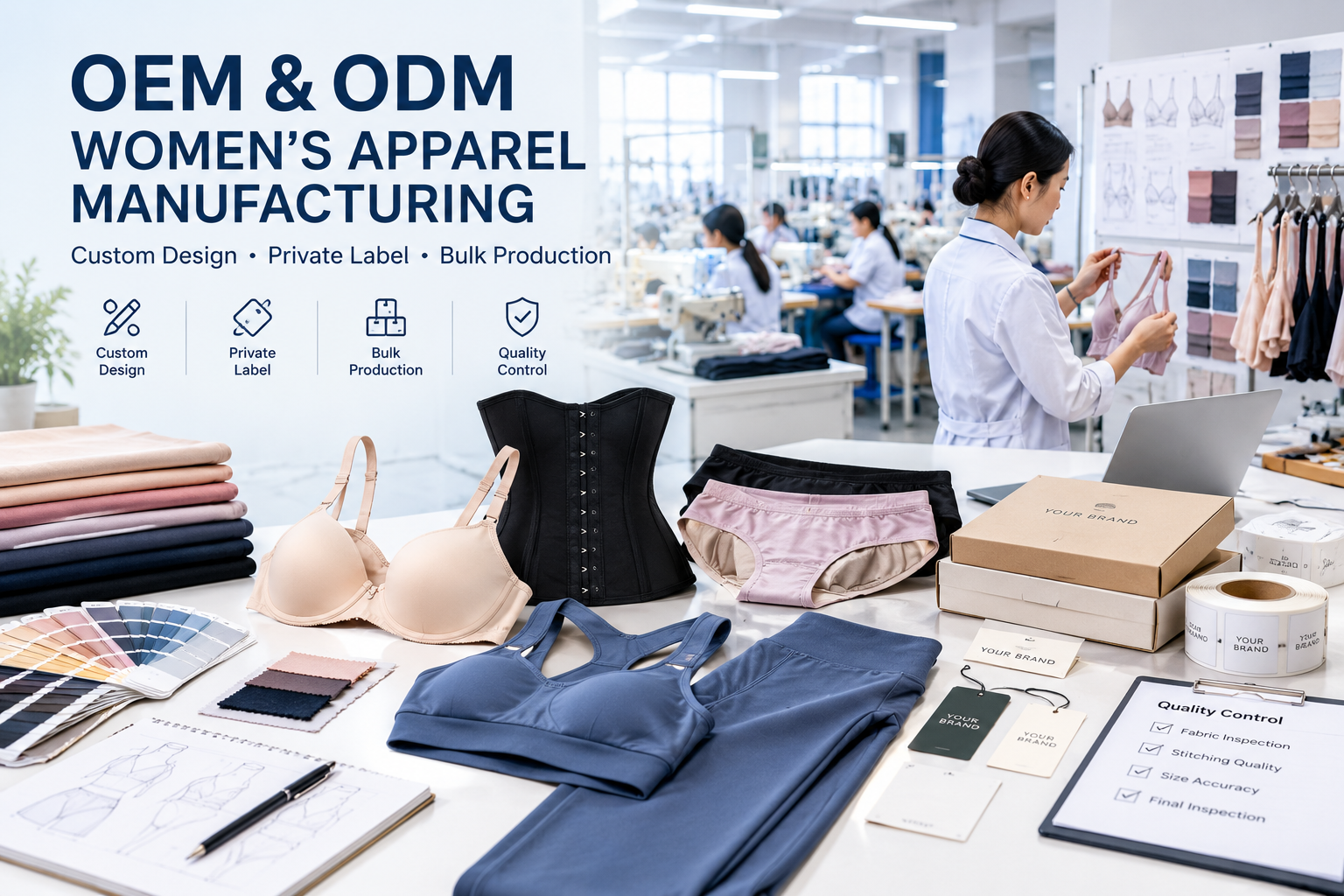
At Jingzhihe, we manufacture period panties in the high-waist, high-absorbency, soft-construction styles that are most appropriate for postpartum recovery. We work with maternity brands, wellness brands, and period underwear specialists to develop postpartum-specific products — with OEKO-TEX certified organic cotton inner layers, ultra-soft waistbands, and extended coverage that meets the specific needs of new mothers.
Our low MOQ options make it accessible to add a postpartum period panties style to your range without a large initial inventory commitment, and our OEM and ODM capabilities ensure the final product reflects your brand’s identity and quality standards.
Contact Jingzhihe today: